
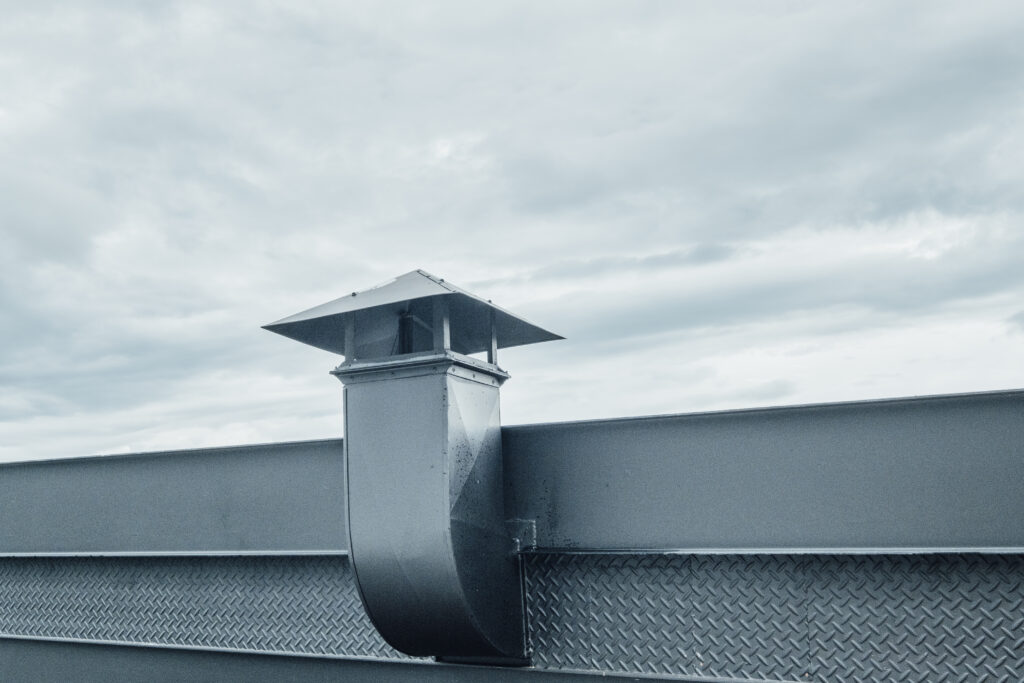
A chimney cap is a small yet essential component of a safe and functional chimney system. Many homeowners underestimate the importance of proper chimney cap installation, yet it plays a critical role in protecting a home from damage and ensuring efficient ventilation. Chimney caps serve multiple functions, from shielding the chimney from adverse weather to preventing draft issues and deterring animals from entering the flue. Understanding the significance of chimney caps allows homeowners to make informed choices about home protection and chimney efficiency.
Incorporating a chimney cap into your home’s chimney system is one of the simplest ways to improve safety and prevent costly repairs. Chimney caps act as a barrier against rain, snow, and debris while allowing smoke and gases to escape efficiently. Proper installation ensures that your chimney remains functional and reduces risks associated with blockages or water damage.
The Function of Chimney Caps
The primary role of a chimney cap is to protect the chimney and home from external elements. Without a cap, the chimney is exposed to water infiltration, debris accumulation, and wildlife intrusion. Over time, these issues can lead to structural damage, fire hazards, and ventilation problems.
A professionally installed chimney cap provides:
- Weather protection: Shields the chimney opening from rain, snow, and ice, protecting masonry and metal components.
- Draft control: Helps reduce inconsistent airflow and backdrafts, ensuring smoke and gases vent properly.
- Animal prevention: Keeps birds, squirrels, and other small animals from nesting inside the flue.
- Debris blockage: Prevents leaves, twigs, and other materials from accumulating and causing hazards.
Addressing these concerns through proper chimney services in Washington DC improves home safety and ensures efficient chimney operation.
Weather Protection
Weather-related damage is one of the most common problems for homes with uncapped chimneys. Rainwater and snow can seep into the chimney, causing cracked mortar, rusted metal components, and deterioration of the flue liner. In colder climates, trapped moisture may freeze, further damaging the masonry.
Chimney caps provide a protective cover while still allowing smoke and gases to vent. They prevent water from entering the flue, extending the lifespan of the chimney and reducing maintenance costs. Additionally, caps minimize the impact of wind on smoke flow, preventing downdrafts that push smoke back into living spaces.
Resolving Draft Issues
Proper airflow is critical for safe combustion and efficient smoke removal. Uncapped chimneys often experience draft problems, allowing smoke or soot to enter the home. A well-designed chimney cap stabilizes airflow, directing smoke upward and blocking unwanted drafts.
For homes with persistent draft concerns, installing a chimney cap can improve ventilation and create a safer indoor environment. Correct airflow enhances heating efficiency and reduces indoor air quality issues associated with smoke infiltration.
Preventing Animal Intrusion and Debris Accumulation
Animals are naturally drawn to chimneys for shelter, particularly in colder months. Birds, squirrels, and raccoons can enter an uncapped chimney, creating blockages that may lead to fire hazards or smoke backup. A chimney cap acts as a barrier, keeping animals out while maintaining proper ventilation.
Debris accumulation, including leaves and twigs, also poses risks. A cap prevents obstructions, reducing the likelihood of chimney fires and ensuring the system operates efficiently.
Types of Chimney Caps
Chimney caps are available in various materials and designs to suit different chimneys:
- Stainless steel caps: Durable and resistant to rust for long-term protection.
- Copper caps: Offer aesthetic appeal and longevity.
- Mesh caps: Feature a screen to prevent animals and debris from entering while allowing ventilation.
- Custom-fitted caps: Tailored to specific chimney dimensions for maximum protection.
Choosing the right cap is essential. A professional installation ensures a secure fit, optimal performance, and reduced maintenance over time. Homeowners can schedule a chimney cap installation with experts to guarantee proper fitting.
Benefits of Professional Installation
Although DIY installation is possible, professional installation offers significant advantages:
- Accurate fit: Ensures a secure, leak-proof installation.
- Safety: Minimizes risk of injury during the installation process.
- Improved performance: Optimizes airflow, draft control, and weather protection.
- Longevity: Prevents premature wear or damage to the chimney and cap.
Professional services provide peace of mind that the chimney is protected and functioning efficiently.
Maintenance and Inspection
Even with a chimney cap in place, regular inspection is necessary. Weather and debris can gradually affect performance. Homeowners should have annual inspections to check for:
- Rust or corrosion
- Loose or damaged fittings
- Debris accumulation
- Water damage or leaks
Professional services can perform thorough inspections and cleanings, ensuring that the chimney cap continues to offer optimal protection.
Enhancing Home Safety
Chimney caps are essential for improving home safety. They reduce fire risks, prevent smoke or soot from entering living spaces, and protect the chimney from water and structural damage. Addressing draft issues, animal intrusion, and debris buildup through proper installation provides long-term benefits and peace of mind.
Investing in a quality chimney cap and ensuring professional installation is a cost-effective way to protect your home. The combination of protection, efficiency, and durability makes chimney caps an essential part of any safe chimney system.
Contact Information
Homeowners looking to enhance safety with professional chimney cap installation can reach out to certified experts for guidance or service appointments. Johnson Chimney offers professional advice, installation, and maintenance services for residential chimneys.
Frequently Asked Questions (FAQ)
1. Why is a chimney cap important?
A chimney cap protects the chimney from weather damage, draft issues, and animal intrusion, improving overall home safety and efficiency.
2. Can chimney caps prevent draft problems?
Yes, they stabilize airflow, reduce downdrafts, and ensure smoke and gases vent efficiently.
3. How often should a chimney cap be inspected?
Annual inspections are recommended to check for damage, rust, or debris accumulation.
4. What types of chimney caps are available?
Options include stainless steel, copper, mesh, and custom-fitted caps, offering protection and durability.
5. Should I hire a professional for installation?
Professional installation ensures a secure fit, optimal performance, and compliance with safety standards.