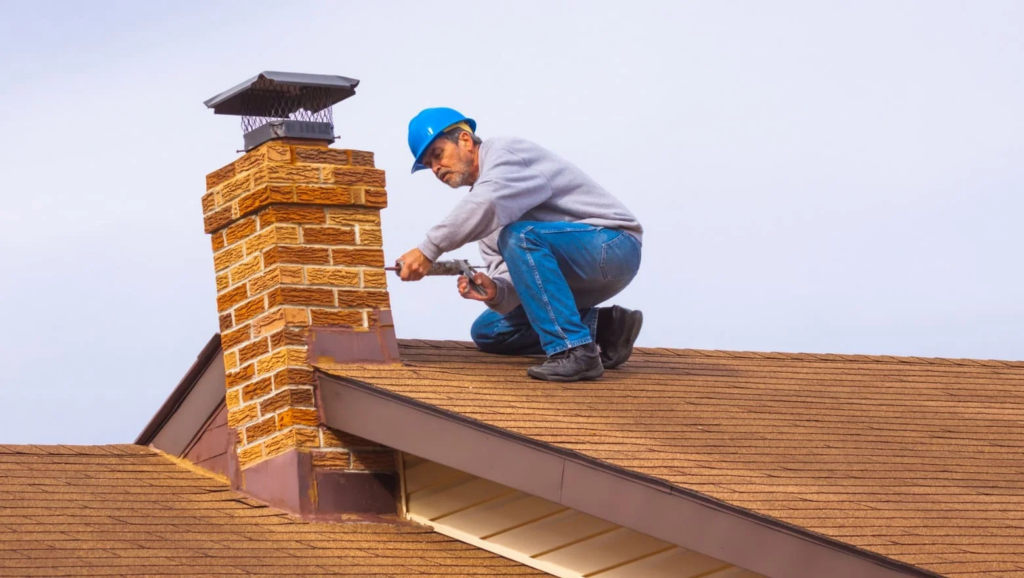
Annual Chimney Inspection in Bethesda is an important maintenance step for homeowners who rely on fireplaces or heating appliances connected to chimney systems. Annual Chimney Inspection in Bethesda helps identify potential safety concerns before they develop into serious structural or fire hazards. Many homeowners schedule an Annual Chimney Inspection in Bethesda to ensure their chimney system is functioning properly and safely throughout the year. During an Annual Chimney Inspection in Bethesda, trained professionals examine the condition of the chimney structure, flue, and ventilation components. An Annual Chimney Inspection in Bethesda also helps detect issues such as creosote buildup, damaged liners, and structural deterioration that may not be visible from outside the home.
Routine chimney inspections are especially important in regions like Bethesda, Maryland, where seasonal fireplace use is common during colder months. Regular inspections help maintain safe heating systems while ensuring that chimneys comply with safety standards and local building recommendations. Homeowners interested in learning more about professional services can explore available chimney solutions through the official website of Johnson Chimney.
Understanding the Purpose of Chimney Inspections
A chimney inspection is a professional evaluation of the chimney system to ensure it operates safely and efficiently. The inspection process involves checking the structure of the chimney, the flue lining, and the surrounding components that support proper ventilation.
The primary goals of a chimney inspection include:
- Detecting structural damage or deterioration
- Identifying creosote buildup inside the flue
- Ensuring proper ventilation for fireplaces and heating appliances
- Confirming that the chimney system meets safety standards
Because many chimney problems develop gradually, inspections help detect issues early before they cause larger problems.
Why Annual Inspections Are Recommended
Chimney systems are exposed to heat, moisture, and environmental conditions throughout the year. Over time, these factors can affect the structural integrity of the chimney and its ability to vent smoke safely.
Annual inspections are recommended because they help:
- Prevent chimney fires caused by creosote buildup
- Identify cracks or gaps in chimney liners
- Detect blockages that restrict airflow
- Ensure safe operation of fireplaces and heating systems
Homeowners who schedule inspections regularly are often able to address minor issues before they become more expensive repairs.
Detailed information about inspection services can be found at chimney inspection and repair services.
The Role of Chimney Cleaning Service
A chimney cleaning service is often performed alongside a chimney inspection. Cleaning removes soot, creosote deposits, and debris that accumulate inside the flue over time.
Creosote is a highly flammable substance that forms when wood burns inside a fireplace. If left unchecked, thick creosote buildup can increase the risk of chimney fires.
Professional chimney cleaning services help:
- Remove hazardous creosote deposits
- Improve airflow through the chimney
- Maintain efficient fireplace operation
Combining inspection and cleaning helps ensure that the chimney system operates safely during the heating season.
Homeowners can learn more about combined cleaning and inspection services at chimney cleaning and inspection services.
Common Problems Found During Chimney Inspections
During an inspection, chimney professionals often identify issues that may not be visible to homeowners. Detecting these problems early helps prevent more serious structural damage.
Common issues discovered during inspections include:
- Cracked or damaged chimney liners
- Loose or deteriorating mortar joints
- Creosote buildup inside the flue
- Blockages caused by debris or animal nests
Identifying these conditions early allows homeowners to schedule repairs before the problems affect the chimney’s ability to vent smoke properly.
Signs That a Chimney Needs Inspection
Although annual inspections are recommended regardless of visible symptoms, certain warning signs may indicate that a chimney should be inspected sooner.
Possible warning signs include:
- Smoke entering the home when the fireplace is used
- Strong or unusual odors near the fireplace
- Difficulty starting or maintaining a fire
- Visible cracks in the chimney structure
If these symptoms appear, homeowners may benefit from arranging a professional inspection as soon as possible.
Why Local Chimney Cleaners Are Important
Hiring local chimney cleaners can be beneficial because professionals who work in the region understand the environmental conditions that affect chimneys in the area.
In Bethesda and surrounding communities, chimneys must withstand seasonal temperature changes, moisture exposure, and winter heating demands.
Local chimney professionals are familiar with:
- Regional building codes and safety guidelines
- Common chimney construction styles in the area
- Weather related wear and tear on chimney structures
This knowledge allows them to provide inspections and recommendations suited to local homes.
Chimney Inspections and Fire Safety
One of the most important reasons for scheduling annual inspections is fire prevention. Creosote buildup and damaged chimney liners are among the leading causes of chimney related fires.
Routine inspections help reduce fire risk by:
- Identifying creosote buildup before it becomes hazardous
- Detecting structural damage that may expose combustible materials
- Ensuring proper ventilation for fireplace systems
Maintaining a clean and structurally sound chimney contributes to safer home heating during colder seasons.
Understanding Chimney Code Compliance
Chimneys must meet certain construction and safety standards to operate safely. Over time, older chimney systems may fall out of compliance with updated safety recommendations.
Annual inspections help determine whether:
- Chimney liners meet current safety guidelines
- Ventilation systems operate efficiently
- Structural components remain stable
When inspectors identify areas that require upgrades, homeowners can address them before safety risks develop.
Protecting the Lifespan of Your Chimney
Routine maintenance not only improves safety but also helps extend the lifespan of the chimney system. Chimneys exposed to moisture, heat, and weather can deteriorate faster without regular inspections.
Regular maintenance may include:
- Cleaning creosote deposits
- Repairing minor cracks or mortar damage
- Replacing damaged chimney liners
Addressing these issues early helps maintain the structural integrity of the chimney for many years.
Preparing for a Chimney Inspection
Homeowners can take a few simple steps before a professional inspection to ensure the process runs smoothly.
Preparation may include:
- Ensuring easy access to the fireplace area
- Avoiding fireplace use for at least 24 hours before the inspection
- Informing the technician of any concerns or unusual observations
These steps help technicians perform a thorough inspection of the chimney system.
Scheduling Professional Chimney Services
Homeowners who use fireplaces regularly should consider scheduling inspections before the colder months when heating systems are used more frequently.
Regular service helps ensure that the chimney is prepared for seasonal use and that any maintenance issues are addressed early.
Those who want to arrange a professional chimney inspection or request additional information can contact a technician through the enquiry page at chimney service enquiries.
Conclusion
An Annual Chimney Inspection in Bethesda is a key part of responsible home maintenance for homeowners who rely on fireplaces and chimney systems. Inspections help identify structural issues, remove hazardous creosote buildup, and ensure that the chimney vents smoke safely.
Routine inspections also support fire prevention, improve heating efficiency, and help maintain compliance with recommended safety guidelines. By scheduling regular inspections and cleaning services, homeowners can protect their property while ensuring that their fireplace systems operate safely throughout the year.
Frequently Asked Questions
1. How often should a chimney be inspected in Bethesda
Most experts recommend scheduling a chimney inspection once a year to ensure safe fireplace operation.
2. What happens during an annual chimney inspection
Technicians examine the chimney structure, flue liner, and ventilation system to identify damage, blockages, or creosote buildup.
3. Is chimney cleaning necessary every year
If creosote buildup is present, cleaning may be recommended during the annual inspection to reduce fire risks.
4. Can I use my fireplace if my chimney has not been inspected
It is safer to have the chimney inspected first, especially if it has not been checked within the past year.
5. Why should I hire local chimney cleaners
Local professionals understand regional building conditions and chimney construction styles, allowing them to provide appropriate inspection and maintenance services.